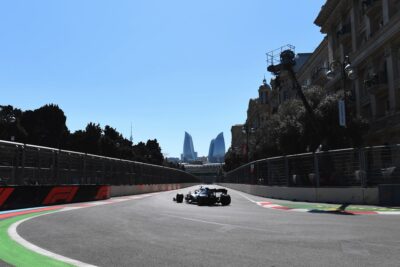
The concerns of F1 are insignificant in this unprecedented time, but with Baku expected later today to be the eighth 2020 grand prix either cancelled or postponed, we should probably be contemplating the realistic notion that there will not be any races this year.
It would be fantastic if the COVID-19 virus was sufficiently under control by the latter half of the year that there could feasibly be a series at all (a minimum of eight races are needed for a world championship). But at this stage – with much of the UK population, at least, apparently sleepwalking into a catastrophe, believing COVID-19 to be ‘a bit like the flu’ and happily mingling in public spaces, flocking to tourist destinations like lemmings – that’s got to look an increasingly remote scenario.
As such, F1 is going into survival mode. The postponement of the new 2021 technical regulations for a year and the insistence that teams use their current chassis into ’21 (plus further yet-to-be-defined spec freezes) removes a significant chunk of the teams’ necessary spend.
Because next year is when the financial pain of the races cancelled this year will really be felt by the teams, as they are paid their share of the pot one year in arrears. But the commercial entity of F1 itself, as represented by Liberty Media, will be taking the hit immediately.
How F1 looks the other side of control of this virus will just be a microcosm of the world it exists in. There will just not be as much wealth to go around and F1 may become a smaller entity, less leveraged on big money deals and thereby more robust – not through choice, but necessity.
F1 had already started moving in this direction, actually. Of the two new races (since postponed), neither Vietnam nor Holland were massive money deals in the old Bernie Ecclestone scale of such things. But they potentially brought a lot to the table, particularly in the case of the Zandvoort race.