


F1
Autolinking test 3: What's new in Formula 1 2023: drivers, team bosses and rules
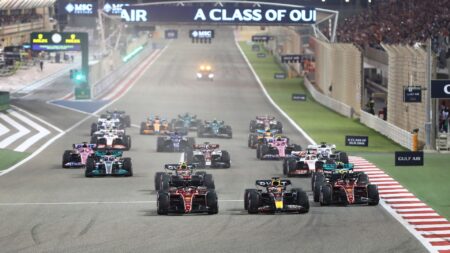
All the refreshed driver pairings, team principal changes, and subtle regulation tweaks that could shake up the 2023 F1 season

Thirty-eight years ago this week, a Frenchman was storming to his first Grand Prix win at his home race in Dijon. Few were watching. All eyes were on the duel behind for second
You’ve got to feel sorry for Jean-Pierre Jabouille. Charging to his and Renault’s first Grand Prix victory in front of his home crowd at Dijon-Prenois, this was the height of the Frenchman’s Grand Prix career, but few people would have been watching. That’s because all eyes and camera lenses were locked intently on the battle behind for second position between René Arnoux and Gilles Villeneuve. Many deem it to be one of Formula 1’s greatest.
It all began when Arnoux, who turned 69 yesterday, pulled off a scintillating pass into the long right hander of turn one, only for the French-Canadian to repay the favour on the same corner the next lap. Then ensued one of the most exciting duels F1 has ever seen with decisiveness, commitment, wheel-banging and respect demonstrated in equal measure. Villeneuve came out on top but Arnoux, less than a quarter of a second behind, had won the hearts of the French public with his first F1 podium. What a way to go about it.
All the refreshed driver pairings, team principal changes, and subtle regulation tweaks that could shake up the 2023 F1 season
All the refreshed driver pairings, team principal changes, and subtle regulation tweaks that could shake up the 2023 F1 season
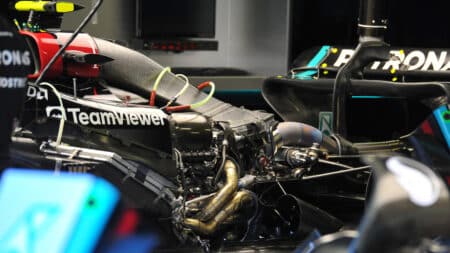
Mercedes is rumoured to have an engine innovation promising a significant advantage over other Formula 1 power units. It could mean rivals are allowed extra benefits to catch up, explains Mark Hughes
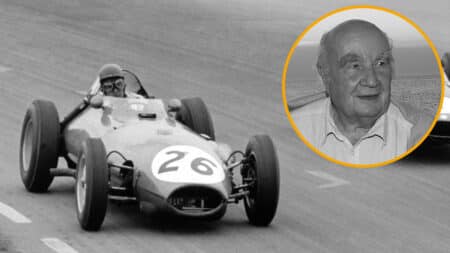
The death last week of Hans Herrmann leaves just four living drivers who raced in 1950s world championship grands prix. The first decade of Formula 1 will soon slip beyond living memory