



F1
Autolinking test 3: What's new in Formula 1 2023: drivers, team bosses and rules
All the refreshed driver pairings, team principal changes, and subtle regulation tweaks that could shake up the 2023 F1 season


The big stories from the past week in motor sport from the Archive.
Emerson Fittipaldi, a champion on both sides of the Atlantic, turns 69 on December 12. Eight years ago he joined Simon Taylor for lunch to look back on those two championship-winning careers and much more.
A pair of Le Mans winners were born on December 10, seven years apart: Jürgen Barth, winner in 1977 alongside Jacky Ickx and Hurley Haywood, and Price Cobb, the 1990 Le Mans victor with Jaguar.

The man popularly thought of as the engineer behind the twin cam, Ernest Henry, died 65 years ago. Doubts remain on that matter, and Bill Boddy investigated the ‘significant motoring mystery’ in 1974.
Harry Miller, creator of the Miller racing cars of the ’20s and ’30s that found great success at Indy, was born in 1875. Only a handful of Millers made their way to the UK, as Boddy explained in 2002. Another Indy winner, Bill Vukovich, was born in 1918; the ‘iron man made in Indy‘ was profiled by Gordon Kirby four years ago.
Popular Polish racer and rally driver Robert Kubica celebrated his 31st birthday this week, a driver whose move to Renault held such high hopes.
All the refreshed driver pairings, team principal changes, and subtle regulation tweaks that could shake up the 2023 F1 season
All the refreshed driver pairings, team principal changes, and subtle regulation tweaks that could shake up the 2023 F1 season
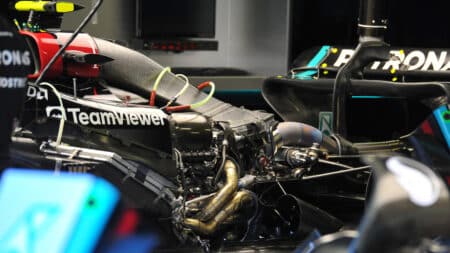
Mercedes is rumoured to have an engine innovation promising a significant advantage over other Formula 1 power units. It could mean rivals are allowed extra benefits to catch up, explains Mark Hughes
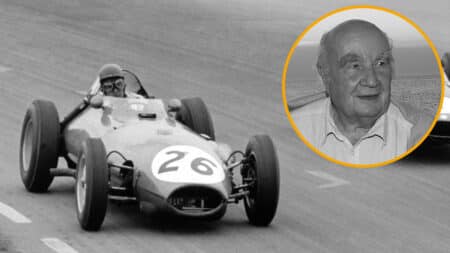
The death last week of Hans Herrmann leaves just four living drivers who raced in 1950s world championship grands prix. The first decade of Formula 1 will soon slip beyond living memory