


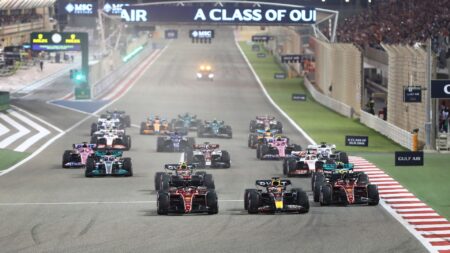
F1
Autolinking test 3: What's new in Formula 1 2023: drivers, team bosses and rules
All the refreshed driver pairings, team principal changes, and subtle regulation tweaks that could shake up the 2023 F1 season


One of the recent headlines in Formula One has been the possible introduction of budget caps. When a steering wheel costs £13,000 and the typical costs of running a team are nigh on £100 million it was only a matter of time before yet another rule to allow the smaller teams to compete on a slightly more level playing field was introduced.
It may seem unrealistic that the cost of running these machines could be anything but sky-high, but if American Airlines managed to save $40,000 in 1987 by merely taking out one olive from their first class salads, anything is possible.
The plans are still just that; plans, but it is clear that something will be done in the future. We are in the middle of an engine freeze and that certainly seems to be working (depending on which angle you look at it from).
There is an argument however, that Formula One is the pinnacle of motoring technology and warrants large expenditure. Teams often say how some of their technology is passed down to the road division, some tending to publicise this at every given opportunity. If we regulate the cost of Grand Prix racing surely this will also slow down road car development?
Of course the ever-changing regulations mean that the Formula 1 cars we see today look nothing like what could be if the designers were allowed a free reign. I suggest the end product would be so otherworldly that no human being could physically drive one. Of course this is the main limiting factor but the budget cap will slow the process even further.
If we don’t want to scare away the smaller teams but also want to see machines racing to the maximum of their potential (within the rules) where does that lead us? Well, as the FIA will tell you, to a bit of a conundrum. Formula One would hardly be worth watching with only 5 teams on the grid. How about slackening the regulations and giving each team say, £70 million a season. They can then do with it what they will as long as they race at each event. They would then have to decide whether it is worth paying a high-profile driver £30 million or spending half that and the rest on development. The money would be easy to find, £70 million would just mean removing an olive from everybody’s salad. Almost.
The budget cap is a good idea but let’s hope that it doesn’t stunt the growth of the sport.
All the refreshed driver pairings, team principal changes, and subtle regulation tweaks that could shake up the 2023 F1 season
All the refreshed driver pairings, team principal changes, and subtle regulation tweaks that could shake up the 2023 F1 season
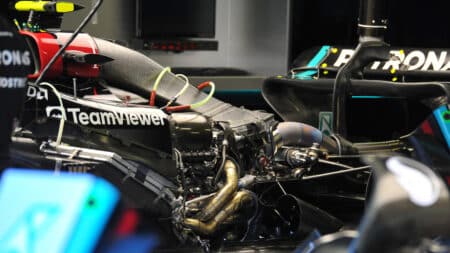
Mercedes is rumoured to have an engine innovation promising a significant advantage over other Formula 1 power units. It could mean rivals are allowed extra benefits to catch up, explains Mark Hughes

The death last week of Hans Herrmann leaves just four living drivers who raced in 1950s world championship grands prix. The first decade of Formula 1 will soon slip beyond living memory