



F1
Autolinking test 3: What's new in Formula 1 2023: drivers, team bosses and rules
All the refreshed driver pairings, team principal changes, and subtle regulation tweaks that could shake up the 2023 F1 season

Featuring cult heroes, two of the greatest riders of all time, a five-time Monaco winner and the youngest winner of Le Mans – this week’s milestones in motor sport from the Archive and Database.

1948: Jim Crawford is born. In profile
2005: Maurice Trintignant dies aged 87. In profile
1942: Ricardo Rodriguez is born. In profile
1944: SuperSwede Ronnie Peterson is born. In profile
1929: The only driver to win the fabled Triple Crown, five-time Monaco victor and double world champion, Graham Hill is born. In profile
1974: Alex Wurz, the youngest driver to win Le Mans, is born. In profile
1921: Jean Behra, non-championship F1 winner but never a Grand Prix, is born, In profile
1979: ‘The Doctor’, Valentino Rossi is born. In profile
1993: Marc Marquez is born. In profile

Jean Behra leads Stiring Moss at Monaco in 1959
1898: Enzo Ferrari is born. In profile
2001: ‘The Intimidator’ Dale Earnhardt is killed crashing late on in the Daytona 500. In profile
1923: Sometime Grand Prix racer Giulio Cabianca is born. In profile
1961: Le Mans winner and much, much more, Andy Wallace is born. In profile
All the refreshed driver pairings, team principal changes, and subtle regulation tweaks that could shake up the 2023 F1 season
All the refreshed driver pairings, team principal changes, and subtle regulation tweaks that could shake up the 2023 F1 season
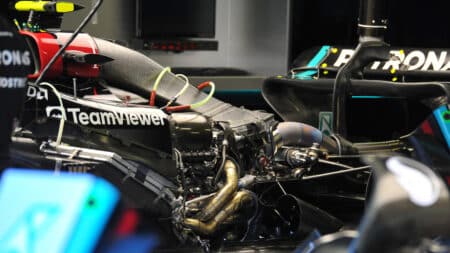
Mercedes is rumoured to have an engine innovation promising a significant advantage over other Formula 1 power units. It could mean rivals are allowed extra benefits to catch up, explains Mark Hughes
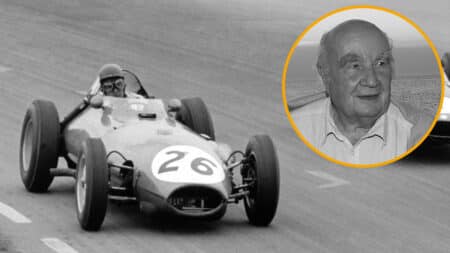
The death last week of Hans Herrmann leaves just four living drivers who raced in 1950s world championship grands prix. The first decade of Formula 1 will soon slip beyond living memory